

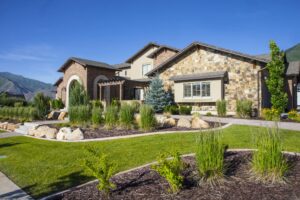
 Pest infestations originate outdoors, typically in the landscape. For rental property owners, the way a yard is designed and maintained significantly influences a rental property’s attractiveness to pests as a habitat or a threat. Rental pest prevention emphasizes the elimination of shelter, moisture, and food sources before pests ever reach the building. By maintaining the yard consistently, owners can lower infestation risk, decrease eradication expenses, and safeguard both property value and tenant satisfaction.
Why Landscaping Is a Front-Line Defense Against Pests
Pest infestation is an external issue that affects the interior. In other words, many of the most common pests rely on outdoor spaces for nesting, reproduction, and entry into structures. Indeed, overgrown vegetation, moist soil, and disordered yards all create ideal conditions for insects and rodents to thrive.
Consequently, one of the most effective ways to reduce pest infestation is by modifying the environments that facilitate their proliferation. For rental property owners, this necessitates a thorough examination of the property’s landscaping and implementing significant modifications. Viewing landscaping as an integral component of your comprehensive pest-prevention strategy enables you to more effectively address pest problems before they escalate.
Keep Plants and Shrubs Clear
One of the most effective strategies for keeping pests away in a rental property is to provide a separation between landscaping greenery and the home’s exterior. Consider plants, trees, and vines that touch siding, roofs, or windows as natural conduits for pests, facilitating their entry indoors. Establishing a discernible separation between greenery and structures can eliminate these easy access points and enhance ventilation around the residence. Consequently, frequent pruning makes your rental property less appealing to insects and rodents.
Choose Mulch Wisely (and Use It Sparingly)
Mulch is beneficial for flower beds, helping with both moisture retention and aesthetic appeal. Excessive usage of mulch or selecting an inappropriate type can attract pests. Regrettably, dense layers of organic mulch offer optimal shelter for insects and small animals.
To render your property’s yard less appealing to these pests, consider:
- Employing mulch judiciously and maintaining distance from foundations
- Evaluating gravel or stone alternatives in proximity to structures
- Avoiding constant moisture buildup in landscaped beds
This approach allows you to maintain your property’s curb appeal while deterring unwelcome pests.
Improve Drainage to Eliminate Moisture Problems
Another common issue that attracts pests is stagnant water. Mosquitoes, termites, and other moisture-loving pests are enticed to puddles and pooling water, potentially leading to rapid pest infestations.
The most effective method to eliminate these pests is to implement straightforward landscaping modifications that promote proper drainage. For example, ensure your landscaping has proper grading, unobstructed downspouts, and strategically positioned drainage solutions. These few modifications can substantially reduce pest activity outdoors and prevent their intrusion indoors.
Rethink Lawns and Ground Cover
Lawns and ground cover are aesthetically pleasing yet serve as natural elements that often repel unwanted pests. This is particularly accurate if they are not regularly maintained. Elevated vegetation, accumulations of foliage, and unmanaged ground cover provide ample concealment for pests. This makes maintenance like routine mowing and seasonal cleanup more crucial, since they help to restrict breeding opportunities for common pests.
If lawn maintenance becomes a challenge, try selecting aesthetically pleasing yet practical hardscaping elements instead. Decorative stone, gravel borders, stone walks, and clean perimeters around foundations enhance visual attractiveness while reducing both maintenance and hiding spots for pests. Hardscaping may be utilized independently or in conjunction with vegetation for a striking effect. Whatever it takes, consistent landscape maintenance is essential for rendering your home less attractive as a long-term habitat for unwanted pests.
Smart Management Leads to Fewer Pest Problems
Considerate landscaping transcends mere aesthetics. It also pertains to protecting your property from unwanted pests. Concentrating on pest prevention, landscaping, and regular landlord yard maintenance can reduce infestations, decrease maintenance expenses, and keep your tenants comfortable.
If you are prepared to upgrade your rental property’s landscaping strategy, reach out to your local property management experts in Matthews office today. Our team can help rental property owners like you protect your properties with smart landscaping options. Contact us online or call 704-919-1344.
This content is provided for general informational and educational purposes only and does not constitute financial, legal, tax, or investment advice. Readers should consult with licensed professionals regarding their specific circumstances.
We are pledged to the letter and spirit of U.S. policy for the achievement of equal housing opportunity throughout the Nation. See Equal Housing Opportunity Statement for more information.
